
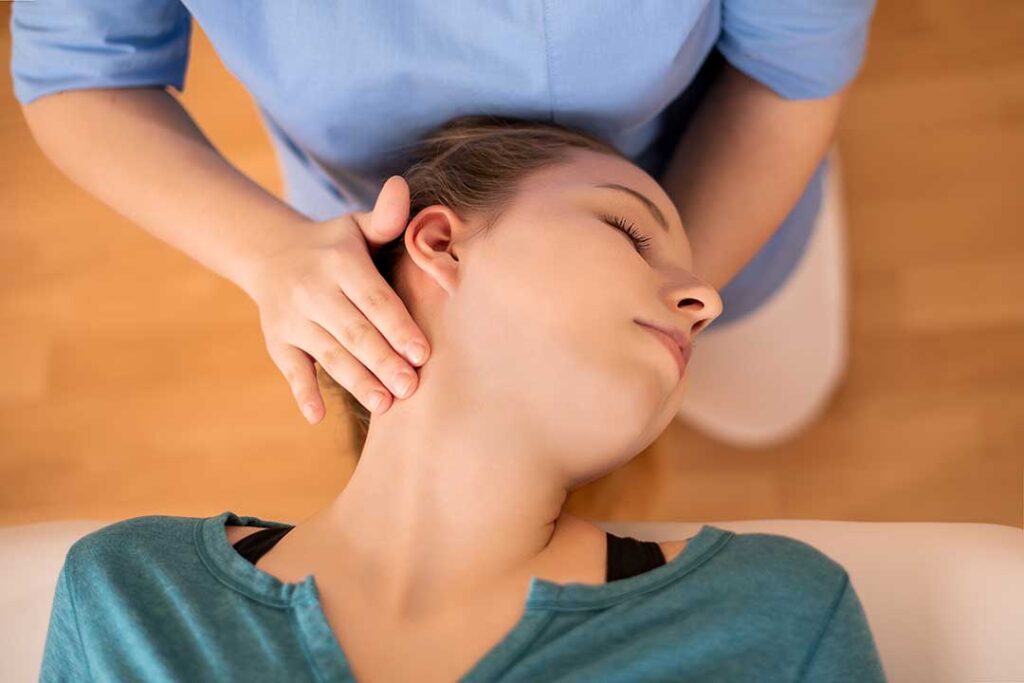
What Is Core Strength and How Does It Relate to Spinal Health?
Core strength refers to the ability of the muscles in your abdomen, back, and pelvis to work together and support your spine. The core is not just about having “abs”—it involves deep and surface muscles all around your midsection.
A well-functioning core helps stabilize your torso when you move or lift, supports good posture, and reduces strain on your lower back. In places with variable weather and active, family-oriented communities like Lackawanna, strong core muscles can be especially important. Tasks as simple as shoveling snow, raking leaves, or carrying groceries up porch steps depend on spinal stability and safe movement patterns.
Why Does Spinal Health Matter for Everyday Life in Lackawanna?
Spinal health influences comfort, mobility, and the ability to participate in work and community life. A strong, well-aligned spine helps prevent both sudden injuries and gradual wear-and-tear that can come from repetitive motions, long days at a desk, or even household chores like gardening or cleaning the garage.
In the city, active residents, older adults, and parents managing busy households all rely on spinal function to safely perform daily activities. Slippery winter conditions, uneven sidewalks, and changing seasonal activities can challenge the back and core, making preventive care and awareness especially useful.
What Common Problems Can Occur When Core Strength Is Lacking?
When the core muscles are weak or imbalanced, the spine loses some of its natural support. This can lead to:
- Lower back pain—one of the most frequent complaints among adults
- Increased risk of muscle strains or ligament injuries
- Fatigue when standing or walking for long periods
- Poor posture, which may lead to tension headaches and joint problems over time
Many people in the community mistakenly assume these aches are unavoidable or simply a part of aging. In reality, reinforcing foundational core stability can often reduce these problems or help prevent them from starting.
Which Everyday Activities Rely on Core Strength?
Nearly every movement that involves the upper or lower body depends to some degree on core strength. Locals encounter these scenarios every day:
- Lifting children, laundry baskets, or heavy bags from the trunk of a car
- Navigating icy driveways or shoveling snow without hurting the back
- Carrying groceries up steps or uneven walkways
- Working or studying long hours at a kitchen table, especially during stormy seasons
Seniors, people who work from home, and anyone managing home repairs or outdoor maintenance are especially likely to notice the benefits of reliable core function when these tasks become easier and less fatiguing.
How Can Local Residents Improve or Maintain Core Strength Safely?
Core stability isn’t about doing hundreds of sit-ups. It’s about safely activating and training the right muscle groups. For those living in the area, the following tips can help support core health:
- Focus on good posture when sitting, standing, or walking
- Try simple activities that engage multiple muscle groups—examples include standing up from a chair without using your hands, planking for a few seconds at a time, or gentle bridges on a living room floor
- Incorporate balance activities like gentle stretching or walking on varied surfaces, which help core muscles adapt to different demands
- Avoid holding your breath during any exercise, as this can increase pressure on the spine
- Start slowly and use controlled movements, especially if easing back into activity after an injury or long period of inactivity
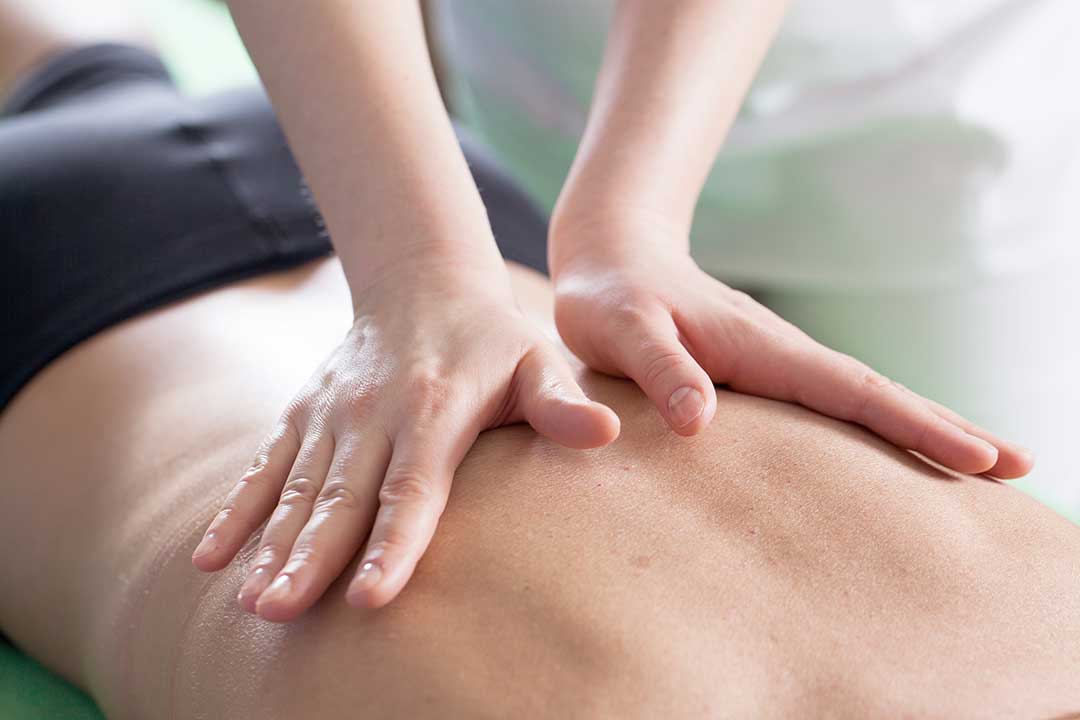
Walking local trails, gardening, or participating in community sports all provide natural opportunities for core engagement, especially if done mindfully, paying attention to alignment and muscle use.
Are There Misconceptions About Core Strength and Back Pain?
A common misunderstanding is that a strong core means doing intense gym routines or extreme exercises. In reality,:
- Even modest improvements in core control can make daily life more comfortable.
- Strength alone is not enough—flexibility and coordination are just as important for keeping the spine healthy.
- Some people focus only on abs, neglecting the muscles of the back and sides, which also play a role in spinal support.
Another misconception is assuming that rest alone will heal most back pain related to weak muscles. While rest may help during acute flare-ups, gentle core exercises, once safely possible, promote circulation, healing, and resilience.
When Should Concern About Core Weakness or Back Pain Lead to Extra Caution?
If core weakness is accompanied by symptoms like sudden numbness, tingling, persistent pain, or difficulty moving, it’s wise to seek medical attention. While mild aches often respond well to activity and self-care, more serious or worsening issues may indicate that a more specific evaluation is needed.
For most people in Lackawanna, focusing on sensible, regular core activity—adapted for their age and comfort level—can foster ongoing spinal health and long-term mobility, helping them stay active and independent through changing seasons and all the city’s unique routines.
