

Minor aches are easy to dismiss, especially when they do not prevent work, household tasks, or daily routines. Yet recurring discomfort can provide useful information about how the body is moving, recovering, or compensating. Paying attention early does not mean assuming something serious is wrong. It means noticing patterns before a manageable problem becomes harder to address.
What counts as a “minor” ache?
A minor ache is usually mild, short-lived, and linked to a recognizable activity such as lifting, sitting, walking, shoveling, exercising, or sleeping in an awkward position. It may feel like:
- Muscle soreness
- Stiffness after resting
- A dull ache in the neck, back, shoulder, hip, or knee
- Mild tenderness after increased activity
- Brief discomfort that improves with gentle movement
Many of these symptoms result from ordinary muscle strain, joint irritation, temporary inflammation, or changes in activity. Minor does not necessarily mean meaningless, however. The most useful question is not only “How much does it hurt?” but also “What is the pattern?”
Pain that repeatedly returns, slowly worsens, changes how a person moves, or begins spreading deserves more attention than a brief ache that steadily improves.
Why can a small ache become a bigger problem?
Pain often changes movement. A person may begin favoring one side, avoiding a certain motion, tightening nearby muscles, or shifting weight without realizing it. These adjustments may reduce discomfort briefly but place extra stress on other areas.
For example, mild low-back discomfort may lead someone to bend mostly from the hips or twist through the spine. Shoulder pain may cause a person to use the opposite arm for nearly everything. Over time, the surrounding muscles and joints may become overworked.
This does not mean every ache will progress or that pain always indicates tissue damage. It means persistent symptoms can affect strength, flexibility, coordination, sleep, and confidence with movement. Early attention can help identify contributing factors while the problem is still relatively simple to understand.
Acute musculoskeletal pain is often manageable, but appropriate early care and reassessment may reduce the chance that symptoms continue unnecessarily. Clinical guidance emphasizes using approaches that support pain relief and physical function rather than relying on prolonged inactivity. ([pubmed.ncbi.nlm.nih.gov](https://pubmed.ncbi.nlm.nih.gov/32805126/?utm_source=openai))
When is an ache worth monitoring more closely?
A symptom deserves closer attention when it has one or more of these characteristics:
- It lasts longer than expected or keeps returning.
- It is gradually becoming more intense.
- It limits walking, lifting, reaching, turning, or sleeping.
- It causes noticeable stiffness after sitting or resting.
- It is accompanied by numbness, tingling, weakness, or a burning sensation.
- It began after a fall, collision, sudden twist, or unusual exertion.
- It requires frequent use of pain medication just to complete normal activities.
- It changes posture or causes a person to move differently.
A short period of observation can be reasonable for mild discomfort that is improving. However, improvement should be measured by function as well as pain. Being able to move more normally, sleep better, and resume routine activities are encouraging signs.
For back pain, symptoms that persist for several weeks, progressively worsen, spread down a leg, or involve weakness or numbness should be medically evaluated. ([mayoclinic.org](https://www.mayoclinic.org/diseases-conditions/back-pain/symptoms-causes/syc-20369906?utm_source=openai))
What can residents do at home?
For a mild ache without warning signs, the first goal is usually to keep the body gently active without provoking sharper pain. Complete bed rest is rarely helpful for ordinary muscle and joint discomfort.
Practical steps may include:
- Reduce the activity that clearly aggravated the area for a short time.
- Continue gentle walking or comfortable movement.
- Use heat for muscle tightness or cold for recent swelling, if either provides relief.
- Change positions regularly during desk work, driving, reading, or television.
- Break up heavier tasks into smaller parts.
- Review lifting habits, especially during seasonal home maintenance or outdoor work.
- Support normal sleep by avoiding positions that consistently increase symptoms.
- Keep track of when the pain appears, what worsens it, and what improves it.
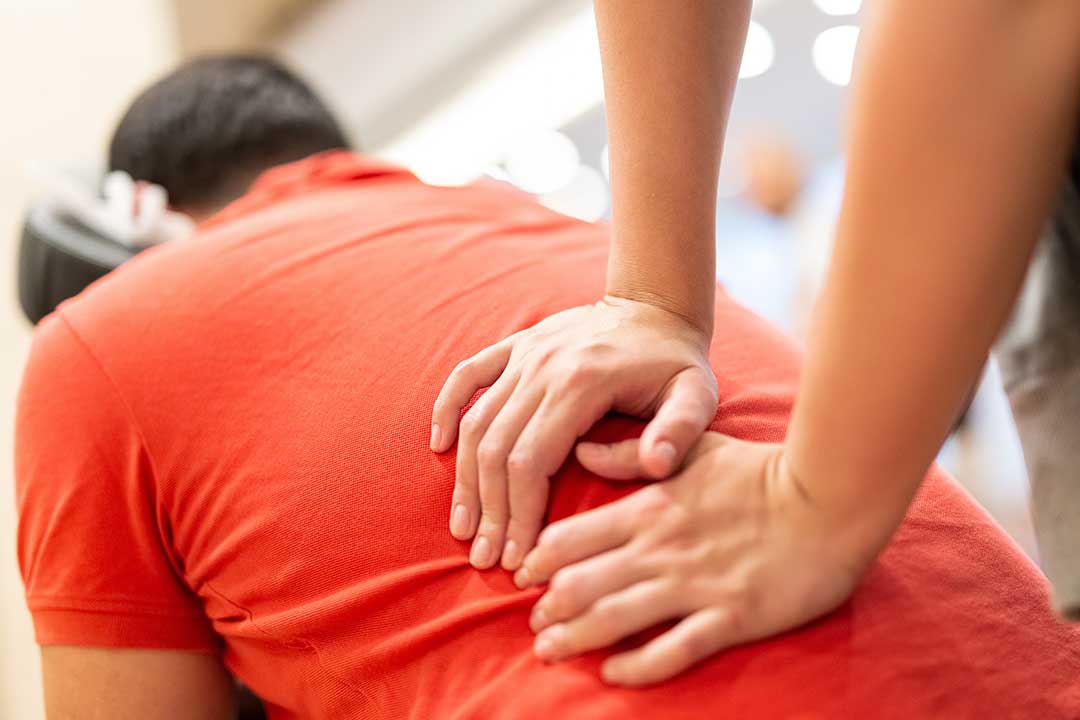
Medication is not appropriate for everyone. Over-the-counter anti-inflammatory medicines can interact with other medications or may be unsuitable for people with certain kidney, stomach, heart, bleeding, or pregnancy-related concerns. A pharmacist or medical clinician can help determine whether a medication is safe. For acute non-low-back musculoskeletal injuries, clinical guidelines identify topical nonsteroidal anti-inflammatory medicines as one possible first-line option when appropriate. ([pubmed.ncbi.nlm.nih.gov](https://pubmed.ncbi.nlm.nih.gov/32805126/?utm_source=openai))
How do Lackawanna conditions affect everyday aches?
In Lackawanna, seasonal changes can influence routines and physical demands. Cold weather may lead to less outdoor activity, more time sitting indoors, and increased muscle stiffness. Snow and ice can also change walking patterns and make people tense their shoulders or shorten their stride.
During warmer months, residents may quickly increase activity through yard work, home projects, recreation, or longer walks. The issue is often not the activity itself but the sudden change in workload. Muscles and joints generally tolerate gradual increases better than a single strenuous weekend after months of reduced activity.
Household habits matter as well. Repeated lifting, carrying, prolonged phone use, long periods at a computer, and work that requires standing or bending can all contribute to recurring discomfort. Paying attention to frequency and movement patterns may reveal a more useful explanation than focusing only on the location of the pain.
When should minor pain be checked urgently?
Some symptoms should not be managed solely at home. Seek urgent medical evaluation for pain associated with:
- New loss of bladder or bowel control
- Numbness around the groin or inner thighs
- Significant or progressive weakness
- Fever with severe or worsening pain
- Major trauma, a fall, or a suspected fracture
- Unexplained weight loss
- Chest pain, shortness of breath, fainting, or unusual sweating
- Severe abdominal pain or a pulsating sensation in the abdomen
Back pain accompanied by fever, new bladder or bowel symptoms, or a significant injury can signal a condition requiring immediate attention. ([mayoclinic.org](https://www.mayoclinic.org/diseases-conditions/back-pain/symptoms-causes/syc-20369906?utm_source=openai))
Does every ache require imaging?
No. Many common muscle and joint complaints can be assessed through a history and physical examination without immediate X-rays or advanced scans. Imaging may be useful when there has been significant trauma, when symptoms suggest nerve involvement, or when the course is unusual or not improving.
Scans can also show age-related findings that are not necessarily the source of pain. A disc or joint change on an image does not automatically explain every symptom. The most useful evaluation connects the examination, symptom pattern, movement limitations, health history, and—when needed—imaging results.
What should a person remember?
A minor ache is not automatically dangerous, but persistent or changing discomfort should not be ignored indefinitely. Monitor how long it lasts, whether function is improving, and whether new symptoms appear. Gentle activity, sensible pacing, and attention to repeated movement habits can help with many uncomplicated aches.
Pain that continues, interferes with normal activities, or includes neurological symptoms deserves a more careful assessment. Urgent symptoms—especially weakness, loss of bladder or bowel control, fever, or major injury—should be addressed promptly rather than treated as an ordinary strain.
