

What Does It Mean When Your Neck Clicks?
A clicking or popping sound in the neck is a common experience and usually not a cause for immediate worry. Most people in Lackawanna, NY will notice this sound when turning their head, stretching, or during certain movements. For most healthy adults, this occasional clicking is typically harmless and just part of normal joint mechanics.
What Causes the Clicking Noise?
The clicking sound from the neck is medically known as “crepitus.” There are a few primary reasons this happens:
- Joint Cavitation: The most common reason is the formation and collapse of gas bubbles within the synovial fluid that lubricates the neck joints. This is similar to cracking knuckles and generally not harmful.
- Ligament or Tendon Movement: As ligaments or tendons move over the bony surfaces or other tissues in the neck, they may make a clicking or snapping sound, especially if the neck is tight or if you’ve recently increased activity or exercise.
- Arthritic Changes: As people age, especially in areas like Lackawanna where many residents experience winter stiffness, mild degenerative changes like arthritis can increase friction in the joints, sometimes making sounds more noticeable.
When Is Clicking in the Neck a Concern?
Most clicking sounds are not dangerous. However, local residents should pay attention if any of these are also present:
- Persistent pain or swelling
- Numbness or tingling in the arms or hands
- Difficulty moving the neck
- Clicking that started after a fall or injury
In neighborhoods with icy winters or frequent car travel, accidental falls and whiplash injuries are reasons to take new or worsening neck sounds more seriously.
Are There Factors in Everyday Life That Make Clicking More Noticeable?
Neck clicking can become more pronounced due to daily habits and seasonal patterns common in the area:
- Posture during cold months: Spending more time indoors often means longer periods at computers, phones, or watching TV, which may lead to stiffness and muscle tension around the neck joints.
- Type of Pillows and Mattresses: Houses in Lackawanna often have softer beds and multiple pillows to stay cozy in winter, but unsupportive bedding can sometimes contribute to neck misalignment and clicking noises.
- Use of Scarves and Heavy Jackets: While keeping warm is a must, bulky neckwear can occasionally restrict movement or add minor resistance, making existing clicks more noticeable.
Could Neck Clicking Be Linked to Medical Conditions?
While crepitus is normal for many, certain health conditions can make clicking more frequent:
- Cervical Spondylosis: Age-related wear and tear on spinal discs, common among middle-aged and older adults.
- Previous Neck Injuries: Older residents who have experienced whiplash, falls, or repetitive strain sometimes notice increased clicking as they age.
- Hypermobility: Flexible joints (sometimes hereditary) may “pop” more easily, especially in school-aged children or young adults.
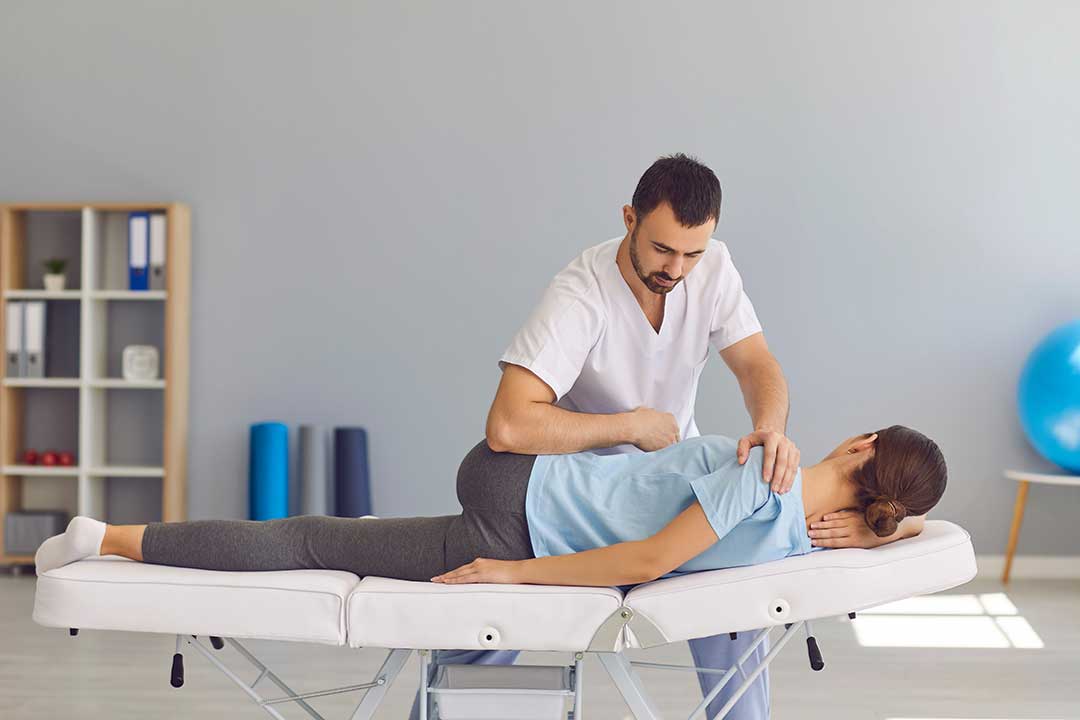
Most residents will not require any specific treatment for benign clicking, especially without other symptoms.
Can You Prevent or Reduce Neck Clicking?
While it is not always possible or necessary to prevent neck clicking, certain strategies may help if the sound is bothersome:
- Staying Active: Gentle, regular exercise — including daily walks, using stairs, or purposeful stretching — can help keep neck muscles and joints limber.
- Workspace Setup: Adjusting screen height and chair support so the head is balanced over the spine may reduce unnecessary strain especially during long winters spent indoors.
- Pillow Height: Choosing a pillow that supports the head without forcing the neck into an unusual position can sometimes make a difference.
Local households often share tips on favored exercises or neck stretches, but these should only be done gently and without causing pain.
What Are Some Common Misconceptions?
Many in the community worry that clicking means serious damage or that avoiding all neck movement is safest:
- The sound itself is not a sign of “bones grinding together.” It’s usually from normal, healthy joint action.
- Avoiding neck movement altogether can actually increase stiffness and make sounds more noticeable.
- Hearing a click does not necessarily mean something is “out of place.”
Should Neck Clicking Change Everyday Activities?
For most local residents, hearing an occasional click does not mean daily routines need revising. Walking, driving, and household chores can be safely continued unless pain, neurological symptoms, or severe loss of motion appears.
Neck clicks are generally just part of how the human body works. Paying attention to posture, making seasonal adjustments, and moderate movement can help keep the neck comfortable and functioning well. If uncertainty or persistent symptoms arise, a primary care provider can guide next steps for peace of mind.
