
What Is Scoliosis and How Does It Affect Daily Life?
Scoliosis is a condition where the spine curves to the side, often forming an “S” or “C” shape. While mild cases may cause few symptoms, more pronounced curves can lead to pain, postural changes, and restricted movement. Local residents, including children and teens, may discover scoliosis during routine school screenings or medical checkups. In adults, signs such as uneven shoulders, a tilted waist, or back stiffness may prompt further evaluation.
Living in Lackawanna, people’s routines—whether involving shoveling snow in winter, gardening in small suburban yards, or working physically demanding jobs—can be influenced by spinal health. Persistent discomfort may affect daily activities like walking to local parks, participating in community sports, or simply keeping up with household chores.
Can Chiropractic Care Support People With Scoliosis?
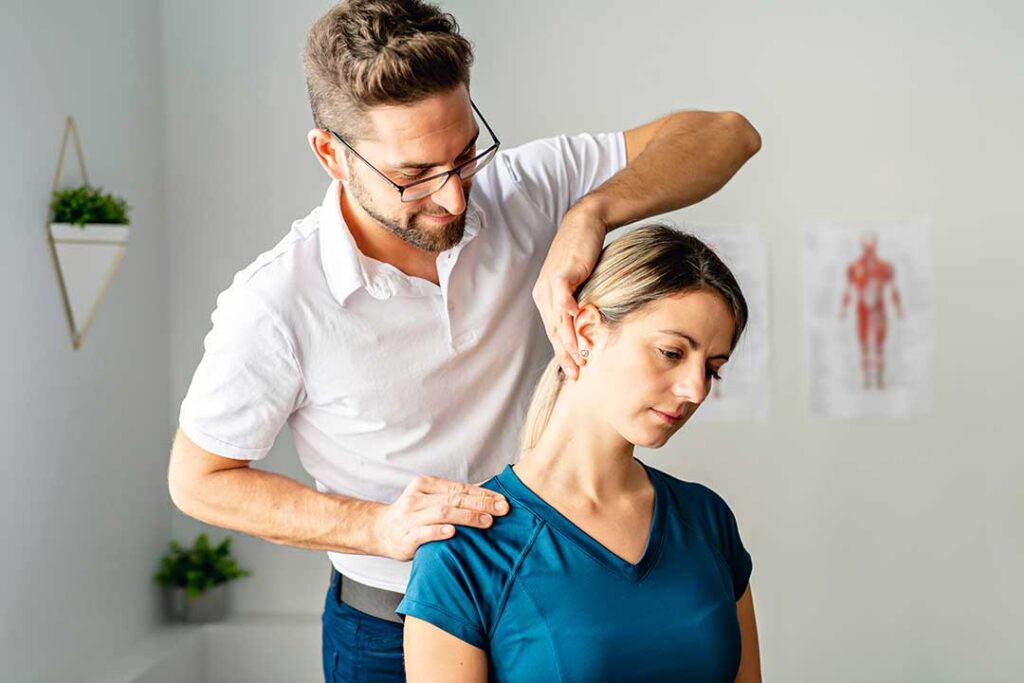
Chiropractic care focuses on the musculoskeletal system, particularly the spine, using gentle manual adjustments, stretches, and exercise recommendations. For scoliosis, some residents may wonder if these non-invasive techniques offer symptom relief or improvement in function.
Chiropractic care is not a cure for scoliosis, nor is it meant to prevent curve progression in severe cases. However, for people experiencing pain, muscle tightness, or restricted mobility, certain chiropractic approaches may help manage everyday discomfort. In the community, individuals have reported reductions in muscle tension, improved range of motion, and better quality of life after chiropractic interventions.
It’s important to understand that results vary. Chiropractic adjustments alone usually do not straighten significant spinal curves. Instead, care may focus on:
- Relieving muscle tension caused by uneven posture
- Supporting joint mobility in the spine and hips
- Recommending postural exercises and lifestyle modifications to manage symptoms
Who Might Benefit From Chiropractic Approaches for Scoliosis?
Mild to moderate scoliosis cases, especially those presenting with muscular discomfort, may be candidates for chiropractic symptom management. In young people, collaborative monitoring with a primary care physician remains essential, as growing spines can change quickly. Adults with long-standing spinal curves may experience added benefit in terms of stiffness relief and functional support.
People most likely to find chiropractic care helpful are those whose pain or stiffness is aggravated by sitting, lifting, or the demands of local jobs. Stay-at-home caregivers, warehouse employees, and teachers managing classrooms may all seek complementary ways to stay comfortable and active.
What Should Residents Consider Before Starting Chiropractic Care?
Before exploring chiropractic care for scoliosis, a full evaluation is necessary. Most chiropractors will review medical history, conduct a physical assessment, and sometimes recommend X-rays to understand the curve’s type and severity. This helps rule out underlying causes and ensures care is safe.
For anyone with rapidly progressing scoliosis, underlying neurological symptoms (such as leg weakness or bladder changes), or severe pain, more specialized medical evaluation is often needed first. Collaboration among different healthcare providers ensures comprehensive support for more complex cases.
What Chiropractic Methods Are Commonly Used for Scoliosis?
Several gentle, non-invasive techniques are tailored for people with scoliosis. These may include:
- Manual spinal adjustments targeting specific joints affected by the curve
- Soft tissue therapy to address muscle spasm or tightness
- Guided exercises to promote flexibility and postural awareness
- Ergonomic advice for work and home tasks, especially in the context of Lackawanna’s climate (like snow shoveling or seasonal yard work)
Every care plan should be customized, with ongoing monitoring for changes in symptoms or curve progression.
Are There Risks With Chiropractic Care for People With Scoliosis?
For most cases of mild scoliosis, chiropractic care is considered low risk when provided by a licensed practitioner after thorough assessment. However, forceful adjustments, aggressive stretching, or manipulation beyond the spine’s tolerance should be avoided—especially in more severe curves or in people with fragile bones.
Rare complications include mild soreness after adjustments or, very infrequently, nerve irritation. Communication between care providers and regular check-ins help minimize risks.
What Are Some Common Misconceptions About Chiropractic and Scoliosis?
Several misunderstandings are common:
- Chiropractic care cannot “cure” or permanently straighten a curved spine once it’s established.
- Regular spinal manipulation, while sometimes helpful for symptoms, is not a substitute for bracing or surgical management in severe cases.
- Exercises and lifestyle habits, when integrated with other care, may support function but should not replace routine medical monitoring.
What Home Strategies Support Scoliosis Management in the Community?
In addition to in-office care, local families can support spinal health with practical, everyday steps:
- Practicing good posture during local commutes, work, or school activities
- Using supportive chairs and ergonomic workstations at home
- Staying active, including walking on safe, well-maintained sidewalks or in local parks
- Incorporating stretching routines to reduce muscle tightness, especially during colder months when muscles may stiffen
- Communicating openly with healthcare providers about any new or worsening symptoms
Bracing, physical therapy, and—in rare cases—surgical intervention remain key options for certain people, especially those with rapidly progressing curves or curve-related breathing difficulties.
When Should Residents Seek Medical Advice Beyond Chiropractic Care?
Severe or quickly worsening scoliosis, symptoms like ongoing numbness, tingling, or difficulty with balance, and changes in bowel or bladder habits warrant prompt evaluation by a physician. In these cases, a multidisciplinary approach that may involve orthopedic specialists and physical therapists is often appropriate.
